
Biennale and Urban Renewal: Evaluating Two Decades of UABB
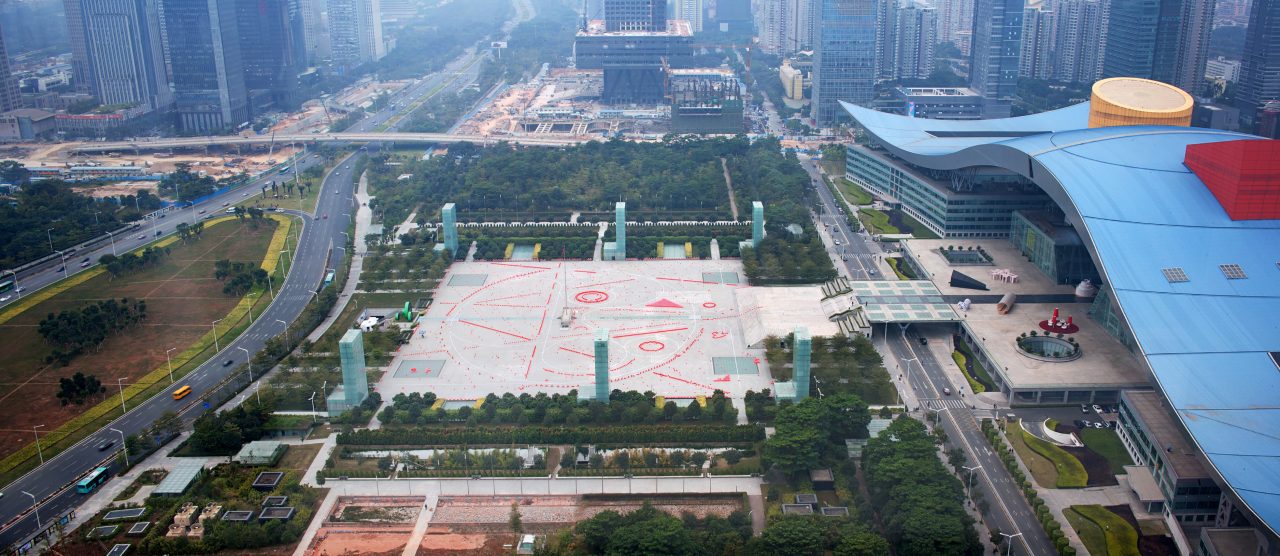 2011 UABB SZ ©UABB
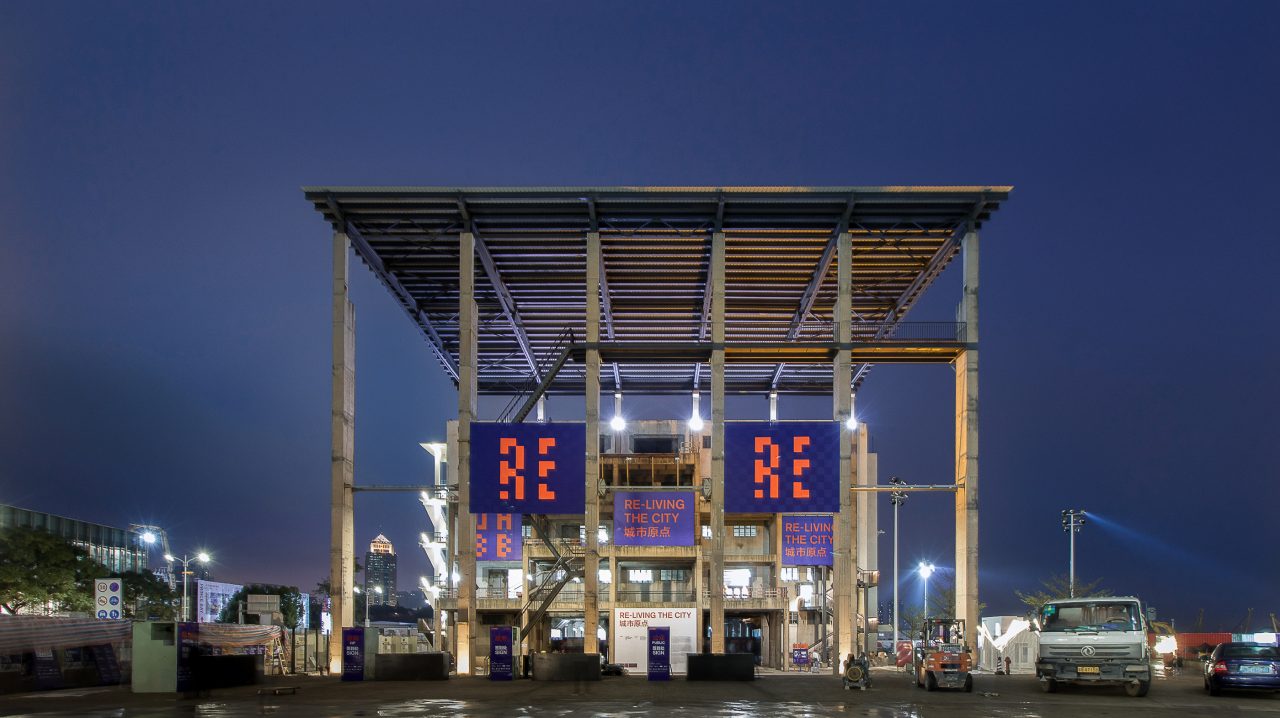 2015 UABB SZ ©UABB
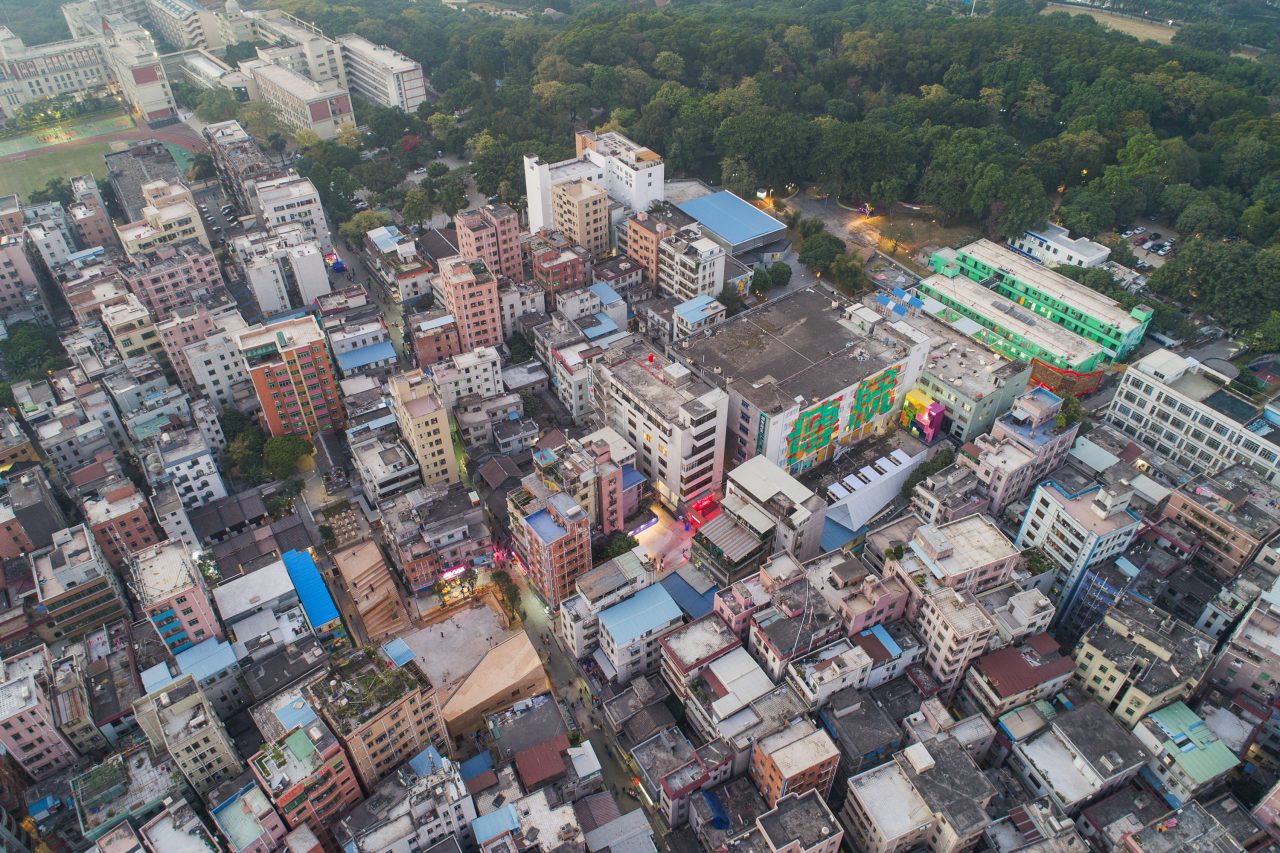 2017 UABB SZ ©UABB
For two decades, the Bi-City Biennale of Architecture & Urbanism (UABB) has served as a unique cultural and policy instrument in the Greater Bay Area’s rapid urbanization, especially in Shenzhen and Hong Kong, yet its long-term social, cultural, and environmental impacts remain systematically unevaluated. This research fills the gap through a post-occupancy evaluation of past editions. Using mixed methods – spatial analysis, stakeholder interviews, community surveys, and environmental indicators – we assess how UABB has renovated urban spaces, influenced neighborhood identity, public engagement, policy discourse, and ecological awareness. Outcomes include a publication, an impact assessment toolkit for future biennales, and a small exhibition. By reflecting on the biennale itself, the project contributes to event-driven urbanism research and offers actionable insights for cultural institutions aiming to drive sustainable urban renewal in the Greater Bay Area.
For two decades, the Bi-City Biennale of Architecture & Urbanism (UABB) has served as a unique cultural and policy instrument in the Greater Bay Area’s rapid urbanization, especially in Shenzhen and Hong Kong, yet its long-term social, cultural, and environmental impacts remain systematically unevaluated. This research fills the gap through a post-occupancy evaluation of past editions. Using mixed methods – spatial analysis, stakeholder interviews, community surveys, and environmental indicators – we assess how UABB has renovated urban spaces, influenced neighborhood identity, public engagement, policy discourse, and ecological awareness. Outcomes include a publication, an impact assessment toolkit for future biennales, and a small exhibition. By reflecting on the biennale itself, the project contributes to event-driven urbanism research and offers actionable insights for cultural institutions aiming to drive sustainable urban renewal in the Greater Bay Area.
- 2026
- Grantee: Doreen Liu, Si Liu
Doreen Heng LIU
Applicant / Project Lead
Founder and principal of NODE Architecture & Urbanism (NODE), The Royal Institute of British Architects (RIBA) Chartered Architect; Doctor of Design, Harvard University. LIU and her studio NODE have been based in Shenzhen and Hong Kong, conducting diversified architectural and urban design practices in the Greater Bay Area and beyond for years. LIU has taught at the Chinese University of Hong Kong, ETH Zurich and University of California, Berkeley. Since September 2020, she has been appointed as Chaired Professor at the School of Architecture and Urban Planning of Shenzhen University, and Director of the Greater Bay Area Innovation Design Lab.
Si LIU
Team
Executive Director and researcher at the Greater Bay Area Innovation Design Lab, Shenzhen University. She holds a multidisciplinary educational background in architecture, art, and management, with practice spanning spatial design, graphic design, and other design fields. Since 2015, she has been deeply engaged in multiple editions of the Bi-City Biennale of Urbanism\Architecture (UABB) in various roles, including research curation, management, and operations. Her research focuses on the mechanisms of urban spatial reproduction driven by cultural events, and on innovative design methodologies through interdisciplinary collaboration.
- Organisation: The Greater Bay Area Innovation and Design Lab
The Greater Bay Area Innovation Design Lab, Shenzhen University (GBA Lab) is a pioneer in spatial research and design for the current GBA and for global urbanization. Founded by Dr. Doreen Heng LIU, Director/Academic Chair of the GBA Lab and Chaired Professor at the School of Architecture and Urban Planning of Shenzhen University, the GBA Lab explores spatial innovation and the multiple possible solutions that are responses to front-line issues through cross-boundary and interdisciplinary approaches with design-oriented research methodology, combining experimental design practices, teaching, exhibitions, publications, and academic conferences. It aims to become an engine that powers the sustainable development of architecture.